Stroke (Brain Attack)

Comprehensive Medical Guide & Patient Information
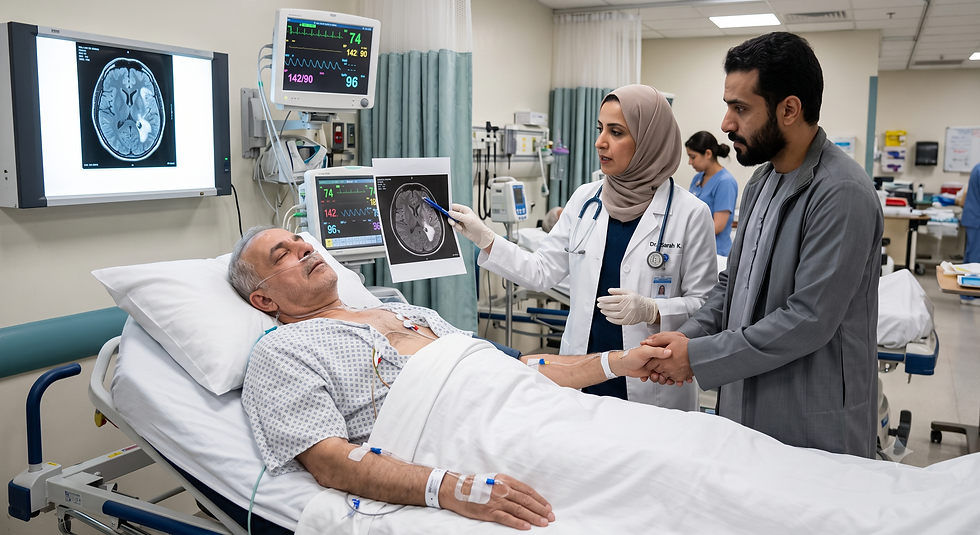
What is a Stroke?
A stroke occurs when the blood supply to part of the brain is interrupted or when a blood vessel in the brain ruptures. Without oxygen and nutrients, brain cells begin to die within minutes, making stroke a true medical emergency. Early recognition and immediate treatment can save brain tissue, reduce disability, and save lives.
Types of Stroke
• Ischemic Stroke: The most common type, accounting for approximately 85% of all strokes. It occurs when a blood clot blocks an artery supplying the brain.
• Hemorrhagic Stroke: Occurs when a blood vessel in the brain ruptures, causing bleeding into the brain tissue.
• Transient Ischemic Attack (TIA): Often called a “mini-stroke,” a TIA causes temporary symptoms because blood flow is briefly interrupted. Although symptoms resolve, a TIA is a warning sign that a major stroke may occur in the future and should never be ignored.
Stroke Symptoms
Stroke symptoms usually appear suddenly. Watch for:
· Weakness or numbness of the face, arm, or leg, especially on one side
· Facial drooping
· Difficulty speaking or understanding speech
· Sudden vision loss or blurred vision
· Sudden dizziness or loss of balance
· Difficulty walking
· Severe sudden headache (more common in hemorrhagic stroke)
Remember BE FAST • B – Balance: Sudden loss of balance • E – Eyes: Sudden vision changes • F – Face: One side of the face droops • A – Arm: Weakness in one arm • S – Speech: Slurred or difficult speech • T – Time: Call emergency services immediately. Every minute counts. |
Causes and Risk Factors
Several conditions increase the risk of stroke:
· High blood pressure
· Diabetes
· High cholesterol
· Smoking
· Atrial fibrillation and other heart diseases
· Obesity
· Physical inactivity
· Sleep apnea
· Excessive alcohol consumption
· Previous stroke or TIA
· Family history of stroke
· Increasing age
How is Stroke Diagnosed?
Rapid diagnosis is essential and may include:
· Neurological examination
· CT scan of the brain
· MRI of the brain
· CT or MR angiography
· Carotid Doppler ultrasound
· Transcranial Doppler ultrasound
· Heart evaluation (ECG and echocardiography)
· Blood tests
Identifying the cause of the stroke helps prevent future events.
Stroke Treatment
Treatment depends on the type of stroke.
Ischemic Stroke
· Intravenous thrombolysis (clot-busting medication)
· Mechanical thrombectomy (removal of the clot through a catheter)
· Blood-thinning medications
· Intensive stroke unit care
Hemorrhagic Stroke
· Blood pressure control
· Reversal of blood thinners
· Neurosurgical treatment when necessary
· Intensive care monitoring
Early treatment significantly improves outcomes.
Stroke Rehabilitation
Recovery often involves a multidisciplinary team, including:
· Physiotherapy
· Occupational therapy
· Speech and language therapy
· Cognitive rehabilitation
· Psychological support
Many patients continue to improve for months after their stroke.
Can Stroke Be Prevented?
Many strokes are preventable. You can reduce your risk by:
· Controlling blood pressure
· Managing diabetes and cholesterol
· Treating atrial fibrillation
· Quitting smoking
· Exercising regularly
· Maintaining a healthy weight
· Eating a Mediterranean-style diet
· Limiting alcohol
· Taking prescribed medications consistently
When Should You Seek Emergency Care?
Seek emergency medical attention immediately if you or someone around you develops:
· Sudden weakness on one side
· Sudden speech difficulty
· Sudden vision loss
· Sudden severe dizziness
· Sudden facial drooping
· A sudden, severe headache unlike any previous headache
Never wait for symptoms to improve. Time lost is brain lost.
Why Choose Dr. Dina Alboreesha?
As a Consultant Neurologist with a special interest in vascular neurology and stroke medicine, Dr. Dina Alboreesha provides comprehensive stroke care—from emergency assessment and advanced diagnostic investigations to secondary prevention and long-term follow-up.
Her expertise includes:
Acute stroke evaluation
Transient Ischemic Attack (TIA) assessment
Stroke risk factor management
Carotid Duplex Ultrasound
Transcranial Doppler (TCD)
Secondary stroke prevention
Long-term neurological rehabilitation planning


Comments